Understanding the 6 Column Ledger Book: A Practical Guide for Organized Record-Keeping
When it comes to managing financial records, tracking expenses, or organizing data by hand, the format you choose can make a significant difference in clarity and efficiency. Among the various options available, the 6 column ledger book occupies a distinct space. It is not as minimal as a two-column or three-column ledger, nor as detailed as an eight-column or twelve-column version. Instead, it strikes a balance that many people find useful for a range of record-keeping tasks, from small business accounting to personal budget tracking. This article explores what makes the 6 column ledger book unique, how it compares with other ledger formats, and how to decide if it fits your needs.
What Is a 6 Column Ledger Book and What Makes It Distinct?
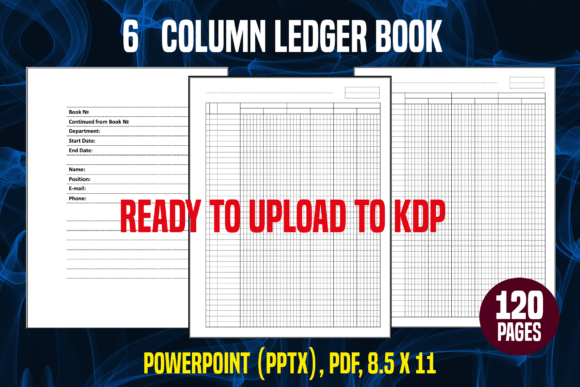
A 6 column ledger book is a bound record book where each page is divided into six vertical columns, typically arranged for entering dates, descriptions, and numerical figures. The most common layout includes a date column, a description or details column, and then four columns for debit and credit entries, or for categorizing different types of transactions. Some variations use the six columns for separate categories like income, expenses, balances, or specific account names.
What sets the 6 column ledger book apart is its flexibility. With six columns, you have enough space to capture multiple data points without the page feeling cluttered or overwhelming. This makes it a strong middle-ground option. For example, a bookkeeper managing a small retail business might use columns for date, description, sales, cost of goods sold, expenses, and profit. A freelancer might use columns for date, client, project, income, expenses, and notes. The structure is open-ended enough to adapt to different systems, yet defined enough to impose useful discipline on your entries.
Another distinguishing feature is the physical format. Many 6 column ledger books are designed with high-resolution interiors, as mentioned in the KDP-ready PDF and PPTX source files, which ensure that the column lines are crisp, the grid is easy to read, and the pages hold up well under regular use. A trim size of 8.5 x 11 inches is standard, offering ample writing space while remaining portable enough for a desk drawer or briefcase. The 120-page count provides a substantial record-keeping capacity without being overly bulky.
How Does a 6 Column Ledger Book Compare with Other Ledger Formats?
To understand whether a 6 column ledger book is right for you, it helps to see how it stacks up against the most common alternatives: two-column, three-column, four-column, and eight-column ledgers.
Two-Column and Three-Column Ledgers
Two-column ledgers are the simplest format, often used for basic checkbook registers or simple income-and-expense tracking. They typically include a date column, a description column, and then just two columns for debit and credit. Three-column ledgers add a running balance column, which is useful for tracking the current status of an account. These formats are great for people who only need to track one or two metrics at a time, but they lack the room for additional categorization or detail.
The 6 column ledger book offers far more capacity. Where a two-column ledger forces you to lump all expenses together, the six-column version lets you separate them into categories like office supplies, utilities, travel, and so on. This makes it easier to see patterns and prepare reports without having to re-sort your data later.
Four-Column Ledgers
Four-column ledgers are a common middle option, often used for double-entry accounting where you need columns for date, description, debit, credit, and then a balance column. While functional, the four-column format can feel limiting when you need to track multiple accounts or categories on the same page. For instance, if you manage a small nonprofit and need to track donations, program expenses, administrative costs, and fundraising separately, a four-column ledger would require you to use multiple pages or combine categories in a less transparent way. The 6 column ledger book, with its two extra columns, gives you the breathing room to keep more information visible at a glance.
Eight-Column and Twelve-Column Ledgers
On the other end of the spectrum, eight-column and twelve-column ledgers offer even more granularity. These are often used in professional accounting settings where many accounts need to be tracked on a single page. However, the tradeoff is readability. More columns mean narrower spaces for writing, which can lead to cramped entries, transcription errors, and eye strain. The 6 column ledger book avoids this problem by providing wide enough columns for clear handwriting and easy scanning. For most small businesses, freelancers, and personal users, the six-column format offers the best balance between detail and usability.
In short, the 6 column ledger book sits in a sweet spot: it provides more detail than simple ledgers while remaining more readable and approachable than highly segmented formats.
Strengths
- Versatility: The six-column layout can be adapted to many different record-keeping systems, including double-entry accounting, project tracking, inventory management, and personal budgeting.
- Readability: With a standard 8.5 x 11 inch page and six well-spaced columns, there is enough room for legible handwriting, which reduces errors during data entry and review.
- Comprehensive yet manageable: You can capture up to six distinct data points per transaction without needing to flip pages or cross-reference multiple sheets.
- Durable format: A bound ledger book with a high-resolution interior, like the one described in the KDP-ready files, is built to last through regular use, making it a reliable resource for ongoing record-keeping.
- Professional appearance: For small business owners or consultants who need to present records to clients, accountants, or tax authorities, a neat and structured ledger inspires confidence.
Tradeoffs
- Not ideal for extremely detailed tracking: If you need to track ten or more categories per transaction, a six-column format will feel restrictive. In that case, an eight-column or twelve-column ledger, or a digital solution, would be more practical.
- Requires thoughtful column planning: Unlike a simple two-column ledger where you just write down income and expenses, the 6 column ledger book works best when you plan your column headings in advance. If you change your categories midway through the book, you may create confusion.
- Physical format limitations: While a paper ledger is reliable and does not require batteries or software, it cannot offer the search, sort, and calculation features of a spreadsheet or accounting app. For some users, this tradeoff is acceptable; for others, it is a dealbreaker.
- 120 pages may not suit high-volume users: If you process hundreds of transactions each month, a 120-page ledger will fill up quickly. You may need multiple books or a larger format.
When Is a 6 Column Ledger Book the Right Choice?
The 6 column ledger book works best in situations where you need moderate detail, clear organization, and a portable, no-fuss physical record. Here are some realistic scenarios where it shines:
- Small business bookkeeping: A sole proprietor running a landscaping business can use columns for date, client, service provided, income, expenses (fuel, supplies), and notes. This gives a complete picture of each job without requiring accounting software.
- Freelancer expense tracking: A freelance writer or designer can track income per project, software subscriptions, marketing costs, travel expenses, and taxes in separate columns, making tax season much smoother.
- Nonprofit or club records: For a community group or hobby club, a 6 column ledger book can track membership dues, event income, venue costs, refreshments, supplies, and donations all on one page.
- Personal finance management: An individual who prefers paper-based budgeting can use columns for date, category, income, expense, savings, and balance. This provides a clear monthly overview without needing a spreadsheet.
- Inventory or asset tracking: For someone managing a small inventory of products or tools, columns can capture item name, quantity on hand, quantity sold, purchase cost, sale price, and profit margin.
When Might You Need Another Option?
While the 6 column ledger book is a strong all-around choice, it is not the best fit for every situation. Consider an alternative if:
- You need very simple tracking: If you only want to record a date and a single amount, a two-column check register is faster and less intimidating.
- You need very detailed tracking: For complex projects with many cost centers or accounts, an eight-column or twelve-column ledger, or a digital system, will save you time and reduce errors.
- You prefer digital tools: If you already use accounting software like QuickBooks, Xero, or even a well-structured Google Sheet, a physical ledger may feel redundant. That said, some people use a paper ledger as a backup or for initial data entry before transferring to digital.
- You share records with a team: A single physical ledger can only be used by one person at a time. If multiple team members need to enter or review data simultaneously, a cloud-based solution is better.
Decision Factors: How to Choose Wisely
Before committing to a 6 column ledger book, consider these questions:
- How many data points do you need per transaction? If the answer is four to six, the six-column format is a natural fit. If it is two or three, a simpler ledger may be enough. If it is seven or more, look elsewhere.
- How important is readability? If you or others will be reading these records regularly, the spacious layout of a 6 column ledger book is a real benefit. Narrow columns in a twelve-column ledger can lead to mistakes.
- Do you prefer a physical or digital record? If you value durability, privacy, and freedom from screens, a paper ledger is a solid choice. The 6 column ledger book, especially one with a high-resolution interior and sturdy binding, offers a tactile, reliable experience that digital tools cannot replicate.
- How much volume do you handle? For low to moderate transaction volumes (say, 30 to 100 entries per month), a 120-page ledger will last several months to a year. For higher volumes, you may need a thicker book or multiple volumes.
- What is your comfort level with column planning? Because the 6 column ledger book requires you to assign column headings in advance, it helps to map out your categories before you start writing. If you prefer a free-form approach, a simpler ledger might feel less restrictive.
Practical Example: Comparing a 6 Column Ledger with a Simpler Format
Imagine you are a freelance graphic designer. You earn income from several clients each month and also have recurring expenses like software subscriptions, hardware purchases, marketing, and travel. Using a two-column ledger, you would list all income in one column and all expenses in another. At tax time, you would need to go through every entry and manually categorize each expense, which is time-consuming and prone to error.
With a 6 column ledger book, you could set up columns as follows: Date, Client/Project, Income, Expenses (Software), Expenses (Marketing), and Expenses (Travel). Each entry goes into the appropriate column, and at the end of the month you can sum each column to see exactly how much you spent on software versus marketing versus travel. This level of detail helps you make smarter decisions about where to cut costs and also makes tax preparation far less stressful.
In contrast, an eight-column version might add columns for taxes, insurance, and equipment depreciation, but for many freelancers, that level of detail is overkill and makes the page feel cramped. The 6 column ledger book gives you exactly the detail you need without the clutter.
Final Thoughts on Choosing a 6 Column Ledger Book
The 6 column ledger book is a well-balanced tool for anyone who needs to keep organized, detailed records without the complexity of advanced accounting software or the limitations of simpler ledgers. Its six-column layout offers enough space for meaningful categorization while remaining easy to read and use. Whether you are running a small business, managing a freelance career, tracking a club's finances, or organizing your personal budget, this format can provide the structure you need.
That said, no single format works for everyone. The best choice depends on your specific needs, your transaction volume, and your comfort with planning column headings in advance. For those who fall into the middle range of detail and prefer a physical record, the 6 column ledger book represents a practical, durable, and effective solution. By weighing the strengths and tradeoffs outlined here, you can decide with confidence whether this format is the right fit for your record-keeping routine.