Tube Feeding Tracker: A Practical Logbook for Caregivers and Families
Managing tube feeding for yourself or a loved one comes with a long list of details to remember. Feeding schedules, tube changes, balloon checks, appointments, and medication records all demand attention. A Tube Feeding Tracker is designed to bring order to this complexity. Whether you are caring for a child with a GJ tube, an adult recovering from surgery with an NG tube, or someone managing a long-term PEG tube, having a dedicated logbook simplifies the daily routine.
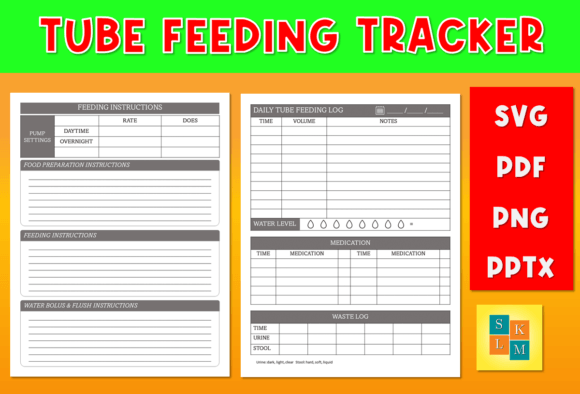
This digital tracker includes 11 page layouts that you can edit or remove as needed. It comes in a zipped file with SVG, PDF, PNG, and PowerPoint formats, making it flexible for printing, digital use, or sharing with your healthcare team. Let's walk through what this tracker offers, how it works in real life, and why it might become an essential tool in your caregiving routine.
What the Tube Feeding Tracker Includes
The tracker is structured around 11 distinct sections. Each one addresses a specific aspect of tube feeding management. You can use all of them or pick only the ones that apply to your situation.
- Personal information and immediate family contact persons – Keep names, phone numbers, and relationships handy for quick reference.
- Medical information – Record diagnoses, allergies, medications, and relevant medical history.
- Medical insurance information – Store policy numbers, coverage details, and provider contact info.
- Nurses and caregiver notes – Document observations, concerns, and instructions from healthcare professionals.
- Feeding instructions – Specify formula type, volume, rate, and any special preparation steps.
- Other important notes – Capture anything that doesn't fit elsewhere, from equipment preferences to comfort tips.
- Appointments – Track upcoming visits with specialists, dietitians, and primary care providers.
- The balloon change log – Record balloon sizes, volumes, and change dates to prevent leaks or dislodgement.
- The tube change log – Document tube replacements, dates, and any issues during changes.
- Stock inventory – Monitor supplies such as extension sets, syringes, formula, and dressings.
- Daily tube feeding log – Note each feeding session, including start and end times, volumes, residuals, and tolerance.
Each section is a separate page layout. You can edit them in PowerPoint or SVG format, print only what you need, or use the PDF version for quick fill-ins. The PNG files are useful if you prefer to annotate on a tablet or phone.
Who Benefits from This Tracker
Tube feeding affects people across many life stages and health situations. A premature infant may need an NG tube for weeks. A teenager with a motility disorder might rely on a GJ tube for years. An older adult recovering from a stroke could use a PEG tube temporarily. In every case, caregivers and family members need reliable tracking.
This tracker is useful for:
- Parents and guardians managing a child's feeding tube at home and coordinating with school nurses or respite caregivers.
- Adult patients who self-manage their tube feeding and want a personal record to share with their medical team.
- Home health aides and private duty nurses who rotate shifts and need consistent documentation.
- Social workers and care coordinators who help families organize medical information across multiple providers.
- Educators and school staff who support students with feeding tubes during school hours.
Even if you are a beginner at tube feeding, this logbook helps you learn the routine quickly. You do not need prior medical training to fill it out. The layouts guide you with clear prompts.
Daily Feeding Log in Practice
Consider a parent feeding their toddler through a G-tube. Each feeding involves checking the balloon volume, connecting the extension set, running the formula, and watching for signs of discomfort. The daily feeding log lets them record the exact formula amount, any residual check, and how the child tolerated the feed. Over time, patterns emerge. Maybe the child tolerates a higher rate in the morning than at night. The log makes those observations visible.
Tube Change Log for Long-Term Planning
For someone with a PEG tube, replacement happens every few months or when the tube shows wear. The tube change log tracks the date, type of tube placed, serial number, and any difficulties during insertion. If a problem arises later, this record gives the gastroenterologist valuable history.
Stock Inventory to Avoid Supply Shortages
Running out of formula or extension sets can cause stress and last-minute pharmacy runs. The stock inventory section helps you list supplies, quantities, and reorder dates. It also provides a place to note product lot numbers in case of recalls.
Caregiver Notes for Shift Changes
When multiple caregivers are involved, notes from nurses or family members ensure continuity. A nighttime caregiver can note that the patient coughed during feeding or seemed less hungry. The next caregiver adjusts accordingly without repeating mistakes.
Why Digital Files Matter
The zipped file includes SVG, PDF, PNG, and PowerPoint versions. This variety gives you options for how you interact with the tracker.
- SVG files are scalable graphics that look sharp at any size. You can edit them in design software or open them in a browser to fill in fields digitally.
- PDF files are ready to print. Fill them by hand or use a PDF editor on your computer.
- PNG files work well on tablets or phones. You can add text with a drawing app or use a stylus.
- PowerPoint files let you customize layouts, add logos, merge pages, or change fonts. This is especially useful if you want to adapt the tracker for a specific clinic or facility.
Because the files are editable, you can remove pages you do not need. If you only require the daily feeding log and the tube change log, you can delete the others. Conversely, you can duplicate the daily log to have enough pages for a full month.
Key Considerations Before Using the Tracker
No single logbook works perfectly for every situation. Here are a few things to think about before you start.
Determine which sections are essential. For a short-term NG tube after surgery, you might only need the daily feeding log and the appointment page. For a long-term GJ tube, balloon change and tube change logs become critical. Review each layout and decide what fits your care plan.
Choose your format based on your workflow. If you prefer paper and pen, print the PDFs. If you want to keep everything digital, use the PowerPoint file and store it in a cloud folder. Some caregivers print the daily log and use it bedside, then transfer the data to a digital summary later.
Update the medical information section regularly. Allergies, medications, and insurance details change over time. Set a reminder every three months to review and update this page.
Share with your healthcare team. Bring a copy of the daily log to appointments. Dietitians and nurses appreciate seeing actual feeding data rather than estimates. It makes adjustments more accurate.
Consider privacy. Medical information is sensitive. If you share files digitally, use password-protected folders or encrypted cloud services. Printed pages should be stored in a secure location, especially if multiple people have access to the home.
Getting Started
Once you download the zipped file, extract the folders. Open the PowerPoint or PDF version first to see the full set of layouts. Fill in the personal information, medical details, and insurance page right away. Then print enough copies of the daily feeding log to cover at least one week. As you use the tracker, you will notice which sections you reference most often and which ones you rarely touch.
You can also combine the tracker with your existing record-keeping systems. For example, some families use a binder that holds the tracker pages alongside hospital discharge summaries and lab results. Others keep the digital file on a tablet next to the feeding pump.
The point is to reduce mental load. Instead of remembering every detail, you record it once and refer back to it when needed. Over weeks and months, that habit builds a reliable health history that helps you advocate for better care.
Tube feeding is a marathon, not a sprint. The right tools make the journey more manageable. A Tube Feeding Tracker gives you structure without rigidity, and flexibility without chaos. Whether you are new to tube feeding or a seasoned caregiver, having a custom logbook at your fingertips lightens the load.